Classic Car Gallery

Saturday, February 28, 2009

The 1957 Chevrolet Bel Air


There are just a handful of classic cars that just about anyone will immediately recognize and the 1957 Chevy Bel Air is one of them. From the classic tail fins to the hooded headlights this model is as much an American icon as parades and apple pie. While the term '57 Chevy has come to be used as a catchall phrase for that model year, as though there were just one model, there were actually several different variations of note. It's interesting to consider that the boys at Chevy wanted to see a totally new design for the 1957 model year. Production problems and setbacks caused them to use the 1955 model design as a base one more time. Imagine how close we were to never seeing this model!

The 1957 Chevrolet came in three different main trim packages. The Bel Air was the top of the line luxury package featuring gold anodized trim pieces on the front grill, fenders, hood and trunk lid. The 210 package was a mid-line offering with the 150 package rounding out the line as a base offering. There were several body styles available for the 1957 model year, most of which had an option of the Bel Air trim package. The standard Chevy two and four door sedans were offered as well as a two door and four door Hardtop. Often confused by novice observers are the Sedans and Hardtop or Sport Coupes. The sedan model is easy to spot when you understand that model has upright pillars between the windows while the Hardtop or Sport Coupe does not. Also produced was what they called a Utility Coupe which featured a bench in the back rather than a regular seat for salesmen who needed to carry samples and deliver items. Station wagons were also popular at the time and Chevy offered two variations in '57. The Nomad was the high end version with a Bel Air trim package while the Handyman was offered in the 150 and 210 packages. And we can't forget the famous Chevy Convertible from this year!

On top of the many body style variations from this year a ton of different options were available. Air Conditioning and Fuel Injection are perhaps the most notable two of them all however very few were sold. Air conditioning was still considered an unnecessary luxury by most and Fuel Injection was so new that most garages simply did not know how to fix the system. Most 1957 Chevy buyers that year opted for the tried and true carburetor. Other items offered included a "Surround Sound" system for the radio (which consisted of a speaker in the rear of the car), power radio antenna, power brakes and a padded dashboard. This was the same year the ill fated Turboglide transmission was introduced. Unfortunately this tranny had a bad reputation from the start and the vast majority of buyers avoided it. The Turboglide ceased production less than 4 years later

While we think of this car as perhaps the most famous in American history the buying public at the time was not equally impressed. While sales are decent they fell short of expectations. In fact the Ford Motor Company out sold Chevy that year for the first time in over 20 years. Following an interesting trend in classic car market however, the 1957 Chevy remains one of the most sought after models for car collectors the world over.

Due to its popularity this model has been a favorite for charity fund raisers. Bill runs OldCarRaffle.com and HarleyDavidsonRaffles.com. Stop by and take a look. You will be amazed at the beautiful cars and bikes on there! Thanks for reading and have a great day.

Article Source: http://EzineArticles.com/?expert=BP_Kelly

Thursday, February 26, 2009

The Volkswagen Type II Split-Screen Camper


The VW Type II Split-Screen Camper - from Utility Van to Design Icon

How Did it all Start?

When the British found themselves running the VW factory in Wolfsburg, Germany after the Second World War, there was a shortage of equipment and resources. The engineers had made up flatbed trolleys using the VW Beetle chassis and running gear to transport parts round the huge factory.

On a visit to the factory, Ben Pon, a Dutch VW importer, saw the little trucks. He sketched a design for a beetle-based van, which was basically a simple box on wheels, after he was inspired by the basic but effective plattenwagens. A year later, Heinz Nordhoff took on this idea when he became chief executive of Volkswagen and the first VW van was launched at the Geneva Motor Show in November 1949.

Europe was restructuring and there was a lack of simple but sturdy transport vehicles that were flexible and low cost. The Type VW II met this need.

On the 8th March 1950 production of ten vehicles a day began. The basic rear engine design remained the same for four decades and over five million buses were produced.

The Successful 'Splittie'

The type 2 vans had a split windscreen with a sweeping v-line front and a large VW emblem. These buses were 170 cubic feet (about 4.8 cubic meters) in volume and were spacious enough to hold a 15-hand horse.

The bus had the engine and axles of the Beetle but had a unitary construction supported by a ladder frame instead of the central frame platform. The original plan was to use the Beetle chassis, but this was not adequate to carry the proposed payload of 750kg so there was a rapid redesign in 1949 before the launch.

The ladder frame is two longitudinal parallel girders or beams on which the suspension, engine, transmission etc are mounted. It is good for carrying direct loads but the handling is poor, partly due to a lack of stiffness so it performs badly when cornering.

The air-cooled engine was just over 1131cc with an output of 25hp but later (in 1954) the engine size was increased to 1192cc and 30hp. The VW van was designed as a utility vehicle, not for speed - or handling.

An important contribution to the design was the result of testing at the wind tunnel of the Technical University of Braunschweig. The flat angular front end of the prototype performed poorly, but the resulting redesign paid off, as the Type 2 was aerodynamically superior to the Type 1 Beetle despite its slab-sided shape. This design also resulted in the iconic and much-loved rounded front with the styling of the sweeping V and oversize VW badge.

As the design was so adaptable, VW turned out many different body variations over the first five years. These included buses, pick-ups, fire engines, rear-door ambulances, beer wagons, refrigerated ice-cream vans, milk floats, mobile butchers shops, bread vans, mobile grocers, ordinary delivery vans and of course the VW camper - over 90 variants in all.

Evolution of the Type 2 VW

The split screen type 2 was produced from 1950 to 1967 and went through a number of developments, which were obviously reflected in the type 2 VW campers as well. The engine size was gradually increased from 1100 to 1500cc and in 1963 the sliding side door became available as an option to the barn doors.

The later 'fifties models had a slightly extended roofline above the windscreen, the engine bay became smaller and 15 inch wheels were introduced.

In 1967 the electrical system changed to 12 volts just before the new type (bay window) was introduced.

The Birth of the VW Camper

Volkswagen subcontracted the VW camper to Westfalia, a coach building company located in the German region of Westphalia. From 1951 onwards the company fitted the buses with a variety of internal layouts. An innovative 'Tourist Delivery Scheme' encouraging people to collect their campers from Germany, helped spread VW campers, and many were bought by US servicemen stationed in Germany, who shipped them back to the US. VW campers were also soon available from VW dealers round the world.

The VW camper took off due to its tiny fittings and furnishings that epitomised the 50's home from home. Before the era of cheap charter flights and package holidays, the VW camper enabled families to take economical camping and touring holidays in relative comfort.

The side opening barn doors enabled the van to be opened up to the outdoors and ingenious fittings made maximum use of what was rather limited space. The pop-top package was introduced later and then became really popular on the later bay window campers introduced in 1968.

Approximately 1000 VW campers were produced between 1951 and 1958, followed by the SO models which had a range of special equipment.

VW Camper Equipment

The standard VW campers included different fold out seat arrangements for sleeping, including the famous rock 'n roll bed. The interior was lined with plywood panels and there were plywood storage cabinets in a variety of layouts.

Some models had a sink and there was water storage with a pump plus an electrical hook-up. Curtains were standard as were screened windows and a folding table.

Optional equipment for type 2 VW campers included pop up tops and attachable or stand-alone tents and side awnings. Mod cons available included a portable chemical toilet, a camping stove and other camping equipment.

There were also ingenious options such as a child's sleeping cot slung in the driver's cab, storage boxes and a swing table.

Even with all these options, the split screen VW campers were still basic, slow and small by modern standards.

VW Camper Culture

This did not affect their popularity and the VW bus was adopted by the 1960s counter-culture as by then older campers were available cheaply, and both the VW camper and the samba bus suited the carefree outdoor hippy lifestyle.

Since then split screen camper and buses have became classics and design icons, and are now collectors' items with many examples preserved and beautifully restored.

Large numbers of VW camper fans gather at events all over the world; you can hire a restored splittie for your holiday or special event, and imagery of the early models can be found on a huge range of items: clothing, mugs, toys, pictures and even usb sticks.

Nick J Wright is a VW Camper enthusiastic who blogs on all things VW Camper at http://VWCampersForever.com. His interests are in the history of VW Campers, their appeal, how to restore campers - from bay window and Splitties to the VW t25 - and in publishing interesting travelogs, exploits and guides to help other VW Camper enthusiasts.

Article Source: http://EzineArticles.com/?expert=Amanda_Prout

The Rolls Royce Cars


Mascot is a term used to refer to the hood ornament on a car. It is generally represents something which the car symbolizes. Mascots can be outstanding works of art on their own or else be quite ordinary. The first Rolls Royce had no hood ornamentation. However in the early 1900's many people in Great Britain were working to enhance public acceptance of the automobile. One of these was John Walter Edward Douglas-Scott Montagu who, in 1905, became the second Lord Montagu of Beaulieu. He was a passionate lover of cars and an enthusiastic advocate of motoring interests.

At that time, there was an Automobile Club in Britain, which sponsored the Thousand Miles Trial to prove the safety and reliability of motorcars. The club was managed by Claude Johnson who had a very beautiful secretary named Eleanor Thornton.

Both Claude and Lord Montagu were friends and admirers of the artistic works of Charles Robinson Sykes, a graduate of the London Royal College of Art. Montagu, who owned a Rolls-Royce Silver Ghost, commissioned Sykes to produce a hood ornament especially for his automobile. Using Eleanor as his model, Sykes crafted a sculpture of a woman holding her fingers to her lips and named it The Whisper.

Montagu's car struck a chord with the public and people began attaching all manner of objects to their cars. By this time, Claude Johnson had moved from the Automobile Club to the Rolls Royce Company. He became alarmed at the impropriety of these impromptu hood ornaments and decided to commission a mascot that would reflect "the overall style and quality of the car." So he turned to his friend Sykes.

Johnson, as he conveyed to Sykes, had in mind something akin to the spirit of the mythical beauty Nike, whose image was on display at the Louvre in Paris. Sykes, however, disagreed feeling that the representation should be more feminine. Evidently Sykes prevailed, as he created another sculpture of Ms. Thornton. The sculpture was three inches high and crafted of white metal. Later, it would be manufactured from stainless steel. There is a myth that the ornaments are made of silver but silver has never been used. Again, the lady has her finger to her lips as though conveying a secret.

Sykes named his creation the Spirit of Speed.
But Johnson changed the name to the Spirit of Ecstasy.

In the meantime, Ms. Thornton had become secretary to Lord Montagu and they had also become lovers. Because of the mores of the time that forbade any romantic alliance between two people of such vastly different social and economic standing, their affair was a secret known only to a few close friends. Together, they had a daughter however she was placed in a foster home and knew Montagu only as uncle.

Their love story ended in tragedy. They were both aboard the SS Persia, enroute to India, via the Mediterranean when the boat was struck by a torpedo from a German U-boat. Eleanor drowned but Montagu survived. Privately, he was devastated but he dared not publicly mourn her death.

However, their romance may be immortalized on the hood of the world's most prestigious automobile if indeed the speculation that has been made is true. For it is said that the 'secret' embodied in the image was actually the love that Eleanor shared with Montagu.


Wednesday, February 25, 2009

The Mercedes-Benz R Class Sports Tourer 2008


These days when you have a bigger family you want a larger vehicle in order to carry them all. While many of us moms require to be known as the greatest soccer mum we also require to be known as the trendiest - which is why so many of us are shying away from the minivan.

Now a days numerous of us don't like the aspect of a minivan and some of us don't demand that much space. But we don't want to use a tiny car either. Mercedes has come up with the best result to this - the Mercedes R-Class Sports Tourer. This in reality appears like a cross of a minivan and an SUV. Giving it just the right size for numerous families.

Mercedes has put on close to 35% of the mechanics from the M-Class SUV and put them within of the 2008 R-Class. It is 203 inches long - which is a little bit longer than its competition the Audi Q7. The automaker has done a good job of creating a more refined and interesting look with the handling and power of an SUV. It is able to seat 7 people.

There are three trims available for this model that include; the two wheel drive R350, all wheel drive R320 CDI, and the all wheel drive R350 4Matic. Those who live in California will not be able to purchase the R320 CDI due to the new emission regulations.

Ordinarily we are excited to check what Mercedes has in store for us when it comes to the engine - but we were disappointed this time round. Mercedes has removed the 5.0 liter V8 engine and the 6.2 liter V8 engine and replaced it with the much less powerful engines for every last trim level. The R350 has been equipped with a 3.5 liter V6 that pushes out 268 horsepower. The R320 CDI has been fitted with a 3.0 liter turbo diesel V6 engine that pushes out 215 horsepower.

But despite these obvious poor changes the 2008 R-Class Sports Tourer still wins when it comes to operation and hang line. Numbers provided by Mercedes shows us that the R350 4Matic can rev from 0 to 60 mph in 8 seconds and the CDI in 8.6 seconds. Each trim is made with a seven speed automatic transmission with a manual shift control.

But if you plan on using this as a family vehicle than power is not the most profound thing. How cozy it is and how much room it provides are the greatest things on your mind. The inside of the Tourer is refined and extremely comfortable. The gauges constructed into it are very easy to read and much of the controls are in the right area without getting in the way of the driver. It can handle up to 7 people and when you fold the third and second rows of seats you have plenty of room to haul things round.

The 2008 Mercedes-Benz Sports Tourer is essential for larger families that are on the go. Benz Faqs has data and reviews on other models.

Article Source: http://EzineArticles.com/?expert=Naomi_West

The Aston Martin DB9 Volante


The James Bond film industry has regularly used an Aston Martin in its motion pictures. What will being seen in an Aston Martin do for you?

The engine of the Aston Martin DB9 is a 6.0L V12 engine, just as the DBS. This engine is fitted near the central part of the car, which balances the weight of the car. Thanks to this there is a perfect half and half weight distribution from the front to the rear. As a result the car works at a superior level by being more stable on the road. The engine has a power level of nearly 470 horsepower and can go up to 190 miles per hour. The car can also go from zero to sixty miles per hour in less than five seconds.

The DB9 features nineteen inch alloy wheels that are controlled through a Servotronic system. This is a system that helps with controlling the car by adjusting the power of the steering according to speed. The braking quality of the car is enhanced because it features Electronic Brakeforce Distribution that works to keep a balance between the front and rear braking system. The Emergency Brake Assist feature works to adjust brake force levels in instances where higher levels of braking are needed.

The DB9 is elegant, luxurious and supremely comfortable. Its cabin is hand-trimmed in beautiful, natural materials; primarily wood and leather; and incorporates the latest in modern technology. There is a minimum of distraction for the driver; even the satellite navigation screen folds discreetly away when not in use. But when in use, the satellite navigation system is powered by a hard disk drive program that works for much of North America and Europe. Automatic temperature controls are also used in this car that help adjust heating and cooling to make the interior of the car comfortable at any time of the year.

The magnificent exterior styling of the DB9 gives way to a comprehensively equipped cabin, trimmed in the finest materials. Every element is perfectly conceived, from the 6.0-litre V12, to the hand-stitched seats and carefully selected interior woods. Nothing is out of place. Imagine the feeling of driving such a work of art.

Alex West is luxury and performance car enthusiast. Currently I drive a Mercedes C-Class, and I'm slowly working my way up. You can find out more about the Aston Martin experience at http://www.experienceastonmartin.co.uk/aston-martin-db9.php

Article Source: http://EzineArticles.com/?expert=Alexander_West

Tuesday, February 24, 2009

Maserati Cars History


Maserati began officially in 1926 when the Bologna, Italy, brothers who had previously worked for Diatto creating race cars decided that, after Diatto stopped making race cars, that they would make their own.

They created a race car that won the 1926 Targa Florio race. This race had been held in the mountains of Palermo, Sicily and was both a dangerous and treacherous race that included hairpin turns and temperature differences due to the elevation differences throughout the race. Because this was a difficult circuit to drive around, winning the race brought prestige to the brothers. Enough to send them down the path of manufacturing race cars. Brother Mario created the logo that is known across the world and these brothers began creating four, six, eight, and sixteen cylinder race cars.

Although, brother Alfieri was the driver that won that first race that Maserati had entered, in 1932 he passed away. With his passing, the other brothers continued along for five more years, eventually selling their parts of the company to Adolfo Orsi in 1937. However, these brothers remained an active part of the car designing and took engineering roles with the new company when it relocated to Modena.

In 1939, Maserati was the winner of the Indianapolis five hundred in successive years. Then the war came and Maserati stopped making cars and instead concentrated on the war effort. It was a time of trials and tribulations that pitted Maserati against Volkswagen. Maserati attempted to create a car for Mussolini, hoping to do so before Ferry Porsche did for Adolph Hitler. Of course, they failed in that V-sixteen towncar concept. But, the technology was useful in designing the A6 series which became popular after the war.

After the war, Maserati went back to creating race cars. In 1950, Maserati won the World Championship. In 1993, Fiat became the owner of the Maserati name and in 1999, Ferrari, which was also owned by Fiat, lent a V8 engine, as well as an automated manual transmission to the 2002 models known as the Spyder and Coupe with some success. It should come as no surprise that Maserati was created in Italy, the home of Ferrari and Lamborghini.

Alex West is luxury and performance car enthusiast. Currently I drive a Mercedes C-Class, and I'm slowly working my way up. You can find out more about the Maserati experience at http://www.maseratigran.co.uk/history-of-maserati.php

Article Source: http://EzineArticles.com/?expert=Alexander_West

The Classic Aston Martin Cars


Historically, it has to be said that many of the classic Aston Martin sports cars are in the DB series. This series of cars is named after David Brown. He was the owner of Aston Martin at the time the first of these cars was introduced in 1948. Although the first and second cars, known simply as the DB1 and DB2, were in very limited production the DB series of motor cars became more popular as time went on. The DB4, which was in production from 1958 to 1963, was the first car in this line to have more than a thousand units produced. This vehicle was noted for its 3.7L I6 engine.

The DB5, which was produced from 1963 to 1965, was the first of these luxury sports cars to truly become recognized around the world. This was thanks to the vehicle's prominent use in Ian Fleming's James Bond films. This car was a unique design as it used a triple SU carburettor system that enabled the car to reach speeds of 140 miles per hour. This made it one of the fastest cars in the world at the time.

Throughout the 1970s and 1980s the V8 line of Aston Martin cars were in production. A V8 engine was used in this line with a Bosch fuel injection system that could get the car from zero to sixty miles per hour in six seconds. Various models of cars, including the Vantage line featured a stronger compression ratio for improved engine performance. The compression ratio is the amount of air in the cylinder head between the piston being at the bottom and the top of its motion.

In the 1990s the Virage line of cars was the top of the range. Over the years this car used the same 5.3L V8 engine but customers were offered a conversion option that allowed the engine to be replaced with a 6.3L V8 engine.

In this decade, the Vanquish was in production from 2001 to 2007. It was most noted for its V12 engine but it also employed many new technologies. Among these included an electronic brake distribution system and an easy to use manual transmission that allows for seamless shifting of gears.

Launched in 1993 the DB7 has been the Company's best selling car exceeding the combined production of the classic DB4, DB5 and DB6. Since 1914, Aston Martin has built just over 22,000 models 7000 of which are DB7s proving how important the model has been in providing continued growth to the company. In Britain a series of pre-production models of the DB7 Vantage were subjected to continuous 30 day accelerated durability tests at the Motor Industry Research Associations Proving Ground - each equivalent to 100,000 miles of regular driving. Halting only for refuelling and routine analysis the V12 coupes and Volantes were driven day and night at a range of speeds from one to 140mph.

About the Author

Alex West is a luxury car enthusiast. Currently I drive a Mercedes C-Class and I'm slowly working my way up. You can find out more about Aston Martin experience at Click Here


Monday, February 23, 2009

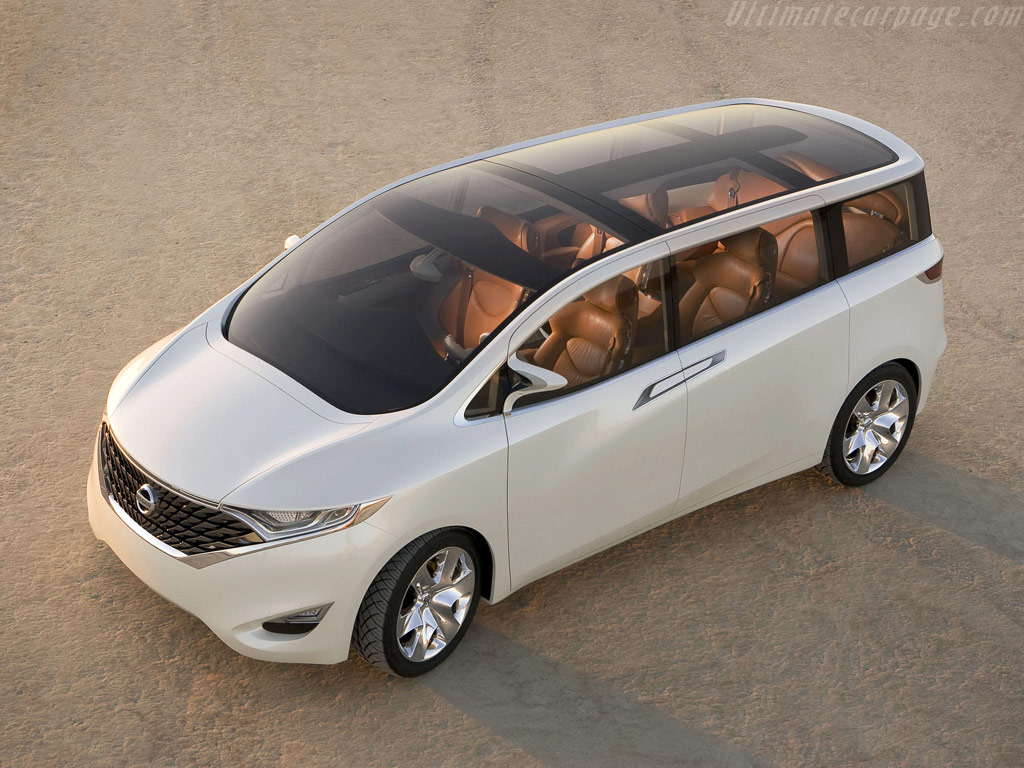
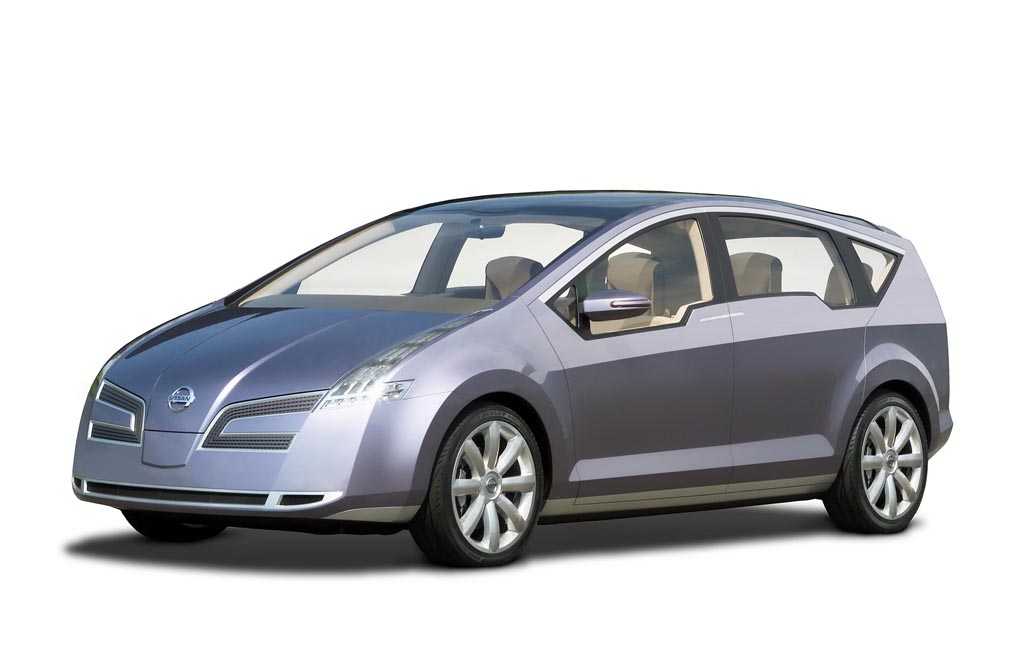
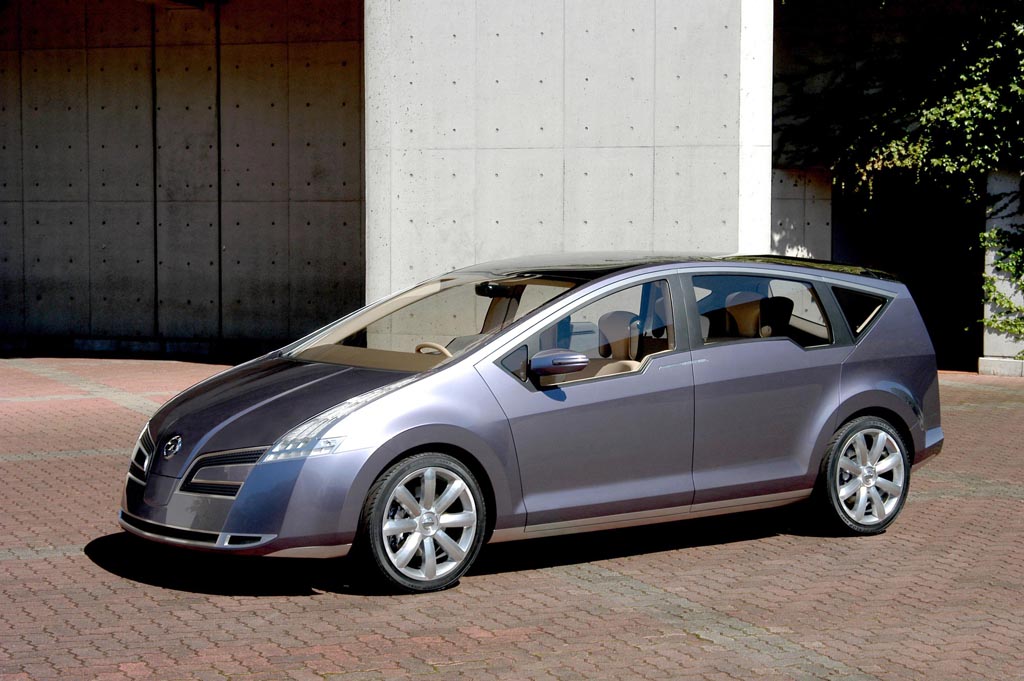
Nissan Forum car photo

Nissan Forum luxury car pictureNissan Forum luxury car picture

Nissan Forum luxury car galleryNissan Forum luxury car gallery

Nissan Forum luxury car photoNissan Forum luxury car photo

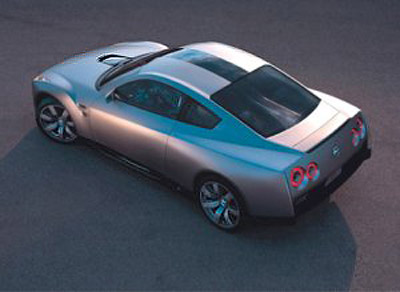
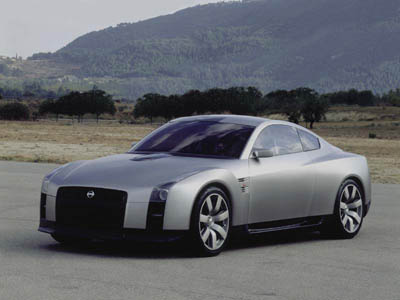
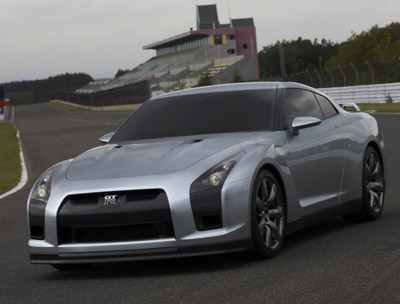
Nissan V35 GTR

Nissan V35 GTR luxury car pictureNissan V35 GTR luxury car picture

Nissan V35 GTR luxury car galleryNissan V35 GTR luxury car gallery

Nissan V35 GTR luxury car photoNissan V35 GTR luxury car photo

Nissan Serenity car pictures

Nissan Serenity luxury car pictureNissan Serenity luxury car picture

Nissan Serenity luxury car galleryNissan Serenity luxury car gallery

Nissan Serenity car photoNissan Serenity luxury car photo

The Yes Roadster 2009


The Yes Roadster is manufactured by Funke & Will AG. 10 years ago the company sold 200 units in the U.S. through YES North America.

Last 2008 The Yes Roadster 2009 is shown in Chicago Auto Show. This latest Yes Roadster 2009 is total weight only 1962 pounds that means that this cars will be light on equipment. The Yes Roadster 2009 is looks like a lotus mated with a last generation Audi TT roadster. Both will feature Audi-sourced 3.2-liter V6 engines and transmissions feeding power to the rear wheels.

Features: Alarm, remote keyless entry, power windows, 17 inch alloy wheels and include cloth upholstery.

The New Mitsubishi Eclipse 2009


Last 2008 at the Chicago Auto Show the New Mitsubishi Eclipse 2009 showed fromthe public. The biggest news is the new exterioir. The New Mitsubishi Eclipse 2009 is the redesigned for the 2006 Eclipse model.

Its 3.8 liter V6 instead turbocharged 4 cylinder.The New Mitsubishi Eclipse is very styling. very fresh looking, more powerful and has many additional features. Available in 3 new colors Maizen Blue Pearl, Quick Silver Metallic and Yellow Color.

The Eclipse is built at Mitsubishi's plant in Normal, Illinois. Pricing hasn't been announced, but it should be little changed from the current model, which starts at $20,000 and tops out at $30,000 for a GT Spyder. Look for the 2009 model in late spring.

Sunday, February 22, 2009

The New Volkswagen Beetle 2009


New Volkswagen Beetle 2009 is the carryover from New Volkswagen Beetle 2008. Its a family coupe car. This is also the new faces of all the beetles cars.

New Volkswagen Beetle 2009 has 150 horsepower engine, a 5 speed transmission for manual and 6 speed automatic transmission with overdrive is optional.

Price for this New Volkswagen Beetle 2009 is ranging upto US$18 up and any colors to choose from.

The New Volkswagen GTI 2009


New Volkswagen GTI 2009 2 door sports sedan or 4 door sports coupe to choose, 5 passenger seats and ranging 2.0T.

New Volkswagen GTI 2009 are both 2.0 liter and 200 horsepower turbo engine. It is perfect for 31 mpg, 6 speed manual at the same time 6 speed for automatic also. The New Volkswagen GTI 2009 is carryover from New Volkswagen GTI 2008 edition.

This is the latest sports and sedan for New Volkswagen GTI 2009.